
Measures and adaptations to climate change through the SDGs to the tourism sector of Leader del Camp - Life eCOadapt50
| Date of onset | 29/08/2024 |
| Sector | Tourism |
| Lead partner | Consorci Leader de Desenvolupament Rural del Camp |
| Territory of performance | Tarragona's area |
| Climatic risk | Changes in tourist demand patterns Shortage of water for domestic and tourist consumption Increase in the cost of coverage and insurance risk premiums |
| Budget | 18.074,38 € |
Gradual growth in tourist mobility in the Leader del Camp territory
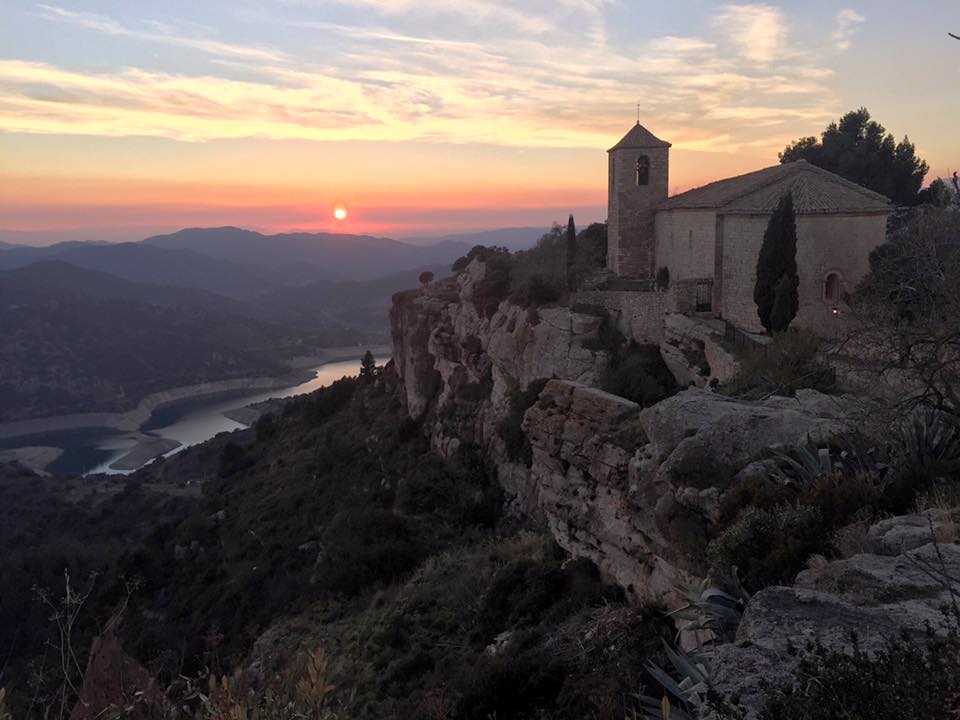
The southern regions of Catalonia, including Alt Camp, Baix Camp, Baix Penedés, Conca de Barberà, Priorat and Tarragonès, are not immune to the gradual growth in tourist mobility. In addition to the well-known coastal or sun beach tourism, this is mainly reflected in the constant growth in tourists visits to rural areas and inland natural spaces, particularly to historical-cultural sites such as the monasteries of Poblet and Santes Creus, or municipalities such as Montblanc, Prades, Falset, Montferri, Siurana, la Febró and l'Espluga de Francolí, or in places such as the Montsant Natural Park, Poblet Natural Site of National Interest or the future Prades Mountains Natural Park, the latter two being particularly sensitive areas.
In this context, it is necessary to promote the change towards a more sustainable tourism model and respectful of the population and the territory by understanding the reality of the existing tourism agents in the Leader del Camp territory and identifying and disseminating measures focused on the adaptation to climate change.
Three stages to analyse the reality of tourist agents
- Stage 1 – Initial survey of destinations and agents; identification of the maximum number of agents in each regional unit by destination and compilation of contact details and services, activities offered and, above all, how they present themselves to the public in terms of sustainability.
- Stage 2 – Plan of measures and adaptations to climate change through the SDGs; drafting of the document that will serve as a roadmap so that agents who wish to do so can improve their actions towards sustainability, prioritising general improvement measures focused on adaptation to climate change
- Stage 3 – Assessment of the sectors in each regional unit; initial assessment of each sector to evaluate the level of compliance in order to plan individualised support.