
Living labs - Life eCOadapt50

Living labs as spaces for co-creation
One of the main objectives of the Life eCOadapt50 project is the establishment and operation of territorial and sectoral governance structures or Living Labs for Climate Change (LL4CC) in each territory, which will be formed by the main local stakeholders.
These Living Labs for Climate Change Adaptation (LL4CC) are an initiative of the Life eCOadapt50 project to establish structures for the co-creation of climate change adaptation solutions in different Catalan territories, define an action plan for climate adaptation in the territory, implement the actions of the plan and carry out monitoring and evaluation. Through these living labs, the aim is to foster active participation, collaboration and innovation to develop and implement solutions tailored to the specific needs of each territory and each of the economic sectors involved in the project (fishing, agriculture, livestock, forestry and tourism).
The project has a geographical scope covering 19 territorial areas that represent a wide range of landscapes and biogeographical, climatic, and economic activity environments. These range from mountain areas, inland territories, and coastal locations to different types of urban and rural areas.
The 19 territorial areas are:
-
Terres de l’Ebre
-
The Alt Penedès region
-
Those belonging to the 7 Local Action Groups that are project partners:
- ADRINOC-Associació per al Desenvolupament Rural Integral de la zona Nord-Oriental de Catalunya).
- ALP-Associació Leader de Ponent
- ALRGB-Associació Leader Ripollès Ges Bisaura
- CLDRC-Consorci Leader de Desenvolupament Rural del Camp
- CLPO-Consorci Leader Pirineu Occidental
- GALP Costa Brava
- LCC-Consorci per al Desenvolupament de la Catalunya Central
-
The 10 natural parks of the Barcelona Provincial Council:
- El Montseny Natural Park and Biosphere Reserve
- Sant Llorenç del Munt i l'Obac Natural Park
- El Garraf Park
- El Foix Park
- Olèrdola Park
- El Montnegre i el Corredor Park
- Serralada de Marina Park
- Serralada Litoral Park
- Castell de Montesquiu Park
- Guilleries-Savassona Natural Area
Although the project operates in these 19 territories in Catalonia, they have ultimately been constituted into 16 LL4CCs (the Garraf, Foix, and Olèrdola parks operate as a single LL4CC, and the Castell de Montesquiu Park has been integrated into the ALRGB LL4CC).
Each LL4CC has organizational autonomy to adapt its activity to the social, economic and political characteristics of its territory. In addition, other governance spaces may be created for each of the socio-economic sectors.
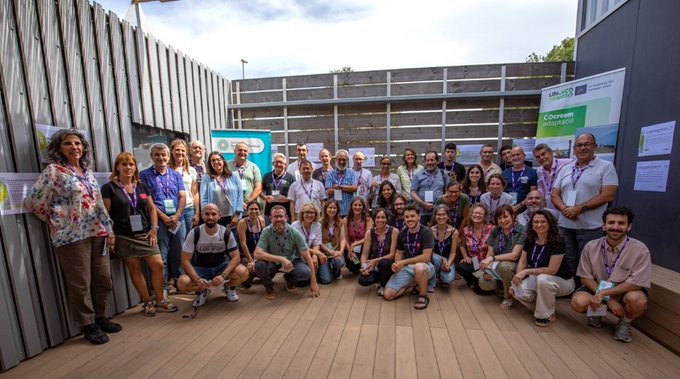
Throughout the project, interterritorial sessions are also being developed in which all established LL4CC will work together. These are spaces to build networks and exchange experiences and knowledge, such as the one held on June 19 in Montesquiu.
To structure these working sessions in LL4CC and create action plans adapted to each territory, it is essential to have climate vulnerability diagnoses that identify the hazards and climate risks of the territories and economic sectors involved in the project. In Life eCOadapt50 these diagnoses have been prepared by the Catalan Climate Change Office. The results of these diagnoses, together with local knowledge, help us prioritize the type, approach and most suitable locations for implementing climate change adaptation actions. The full diagnoses can be consulted in the “Analyze” section of the project website, while the summary outreach sheets, by project territory and by sector, can be consulted in the Toolkit.
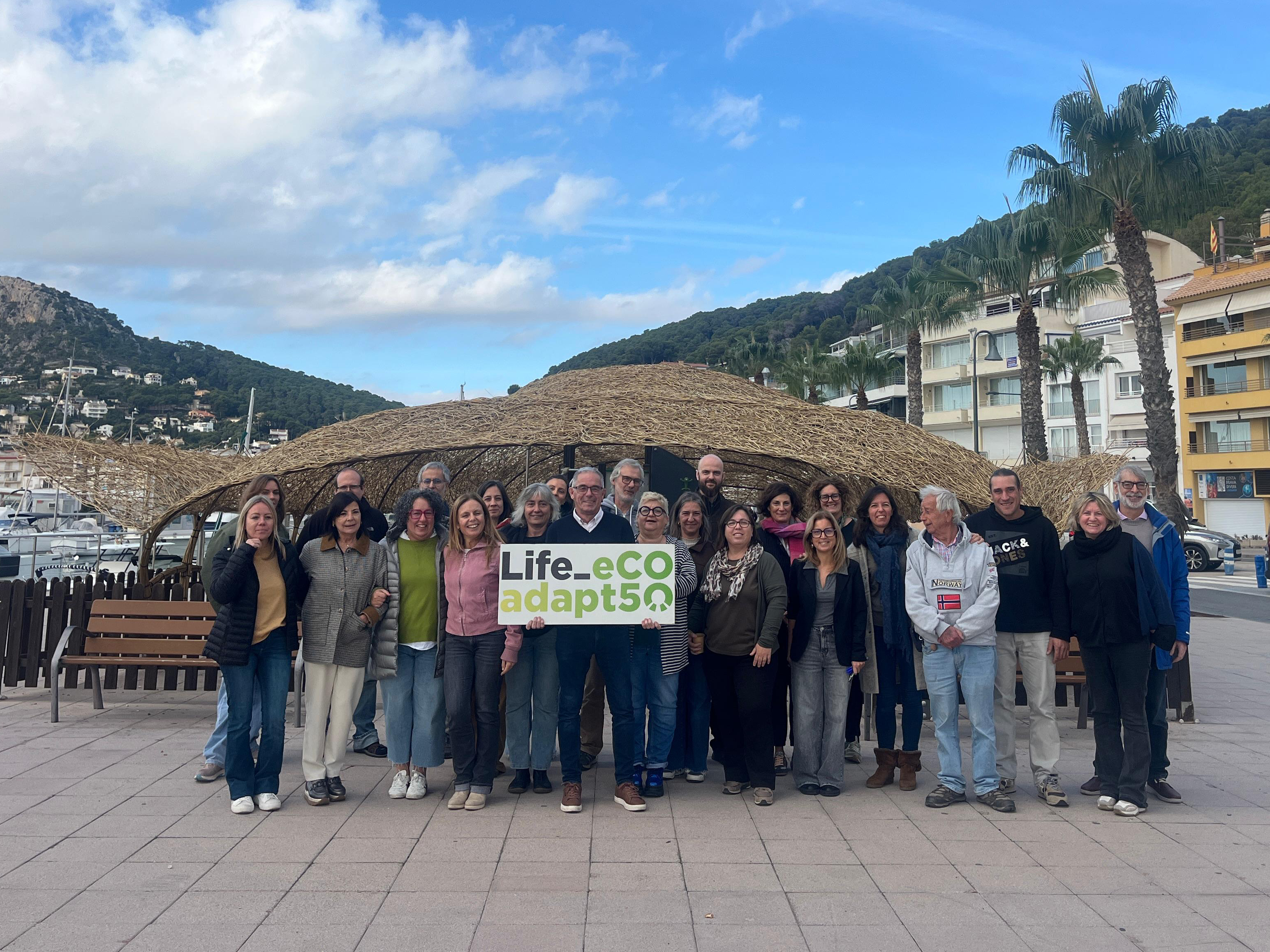
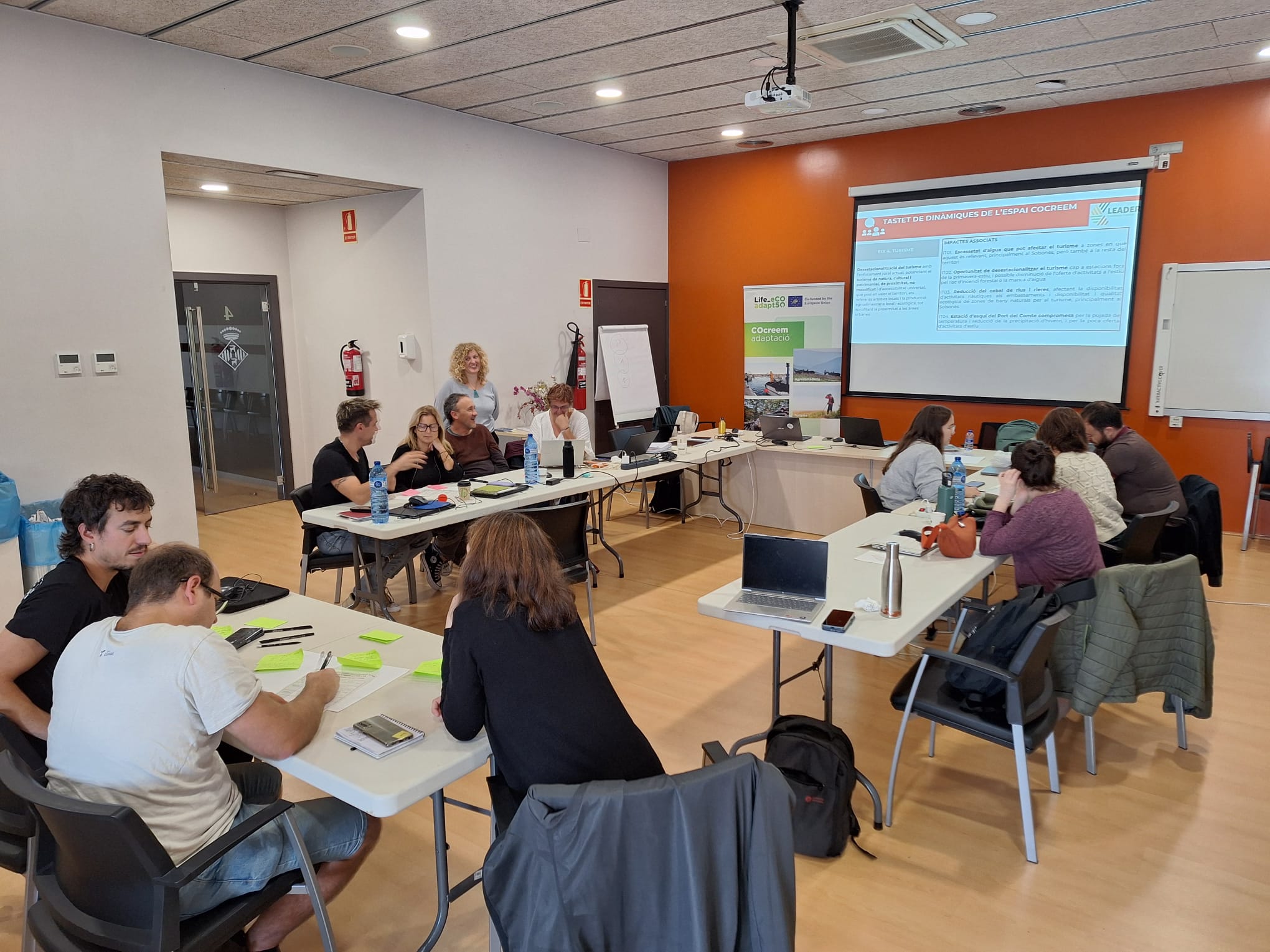
Since the start of the Life eCOadapt50 project in January 2023, more than 80 LL4CC sessions have been held across all project territories (as of December 31, 2025), where more than 105 actions have been co-created among local stakeholders.
Showing 1 - 3 of 12 results.