
Seaweed gains prominence in Costa Brava gastronomy as an opportunity for climate change adaptation and the blue economy - Life eCOadapt50
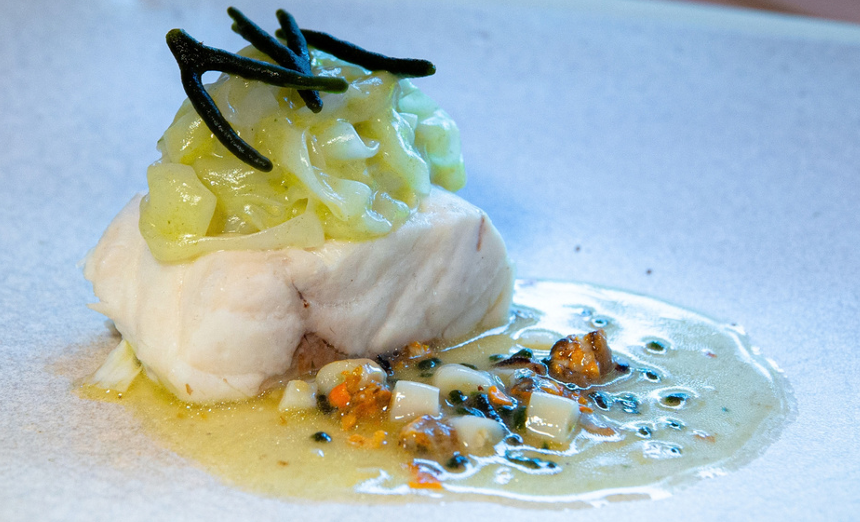
The research, carried out by Universitat de Girona (UdG) researcher Francesc Fusté Forné and coordinated by Consultoria Maragil, examined the use of seaweed in the restaurant sector, the barriers limiting its consumption, and the opportunities it offers for creating new coastal economic activities. The presentation of the results, held on 26 October at the Aula Gastronòmica de Roses, brought together restaurant professionals, institutional representatives and local stakeholders, and concluded with a tasting session led by chef Quim Casellas.
The study involved six leading restaurants from the Costa Brava: Miramar in Llançà, Cal Campaner in Roses, Entre dos mons in Palamós, Casamar in Llafranc, Els Tinars in Llagostera and Compartir in Cadaqués. These establishments already incorporate seaweed varieties such as nori, kombu, sea lettuce and codium into a range of dishes, providing new flavours and uses for locally sourced products.
One of the study’s main findings is that a lack of knowledge about seaweed preparation and culinary applications remains the primary obstacle to wider consumption. To address this challenge, the study recommends strengthening training initiatives, awareness-raising activities and the promotion of Mediterranean seaweed cultivation in order to ensure a stable and sustainable supply.
Beyond gastronomy, the research highlights that seaweed cultivation, sustainable harvesting and processing can create new opportunities for the maritime and fishing sectors, helping coastal territories adapt to climate-related challenges. This aligns closely with the objectives of the LIFE eCOadapt50 project, which promotes innovative and adaptive solutions to increase the resilience of economic sectors that are most vulnerable to climate change.